The long term success of any business depends heavily on how well it connects with profitable, repeat customers.
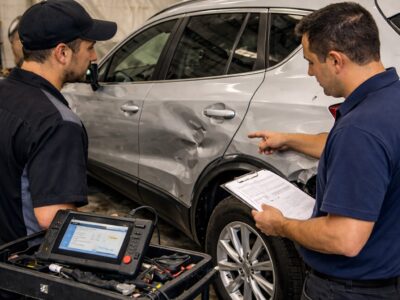
Many industries rely primarily on mass marketing, discounts, loyalty programs, or large promotional campaigns to maintain those one-sided relationships. Collision repair shops, however, have a distinct advantage through direct, repeat and personal interaction with nearly every customer who walks through the door. Unlike many businesses that operate at a distance, body shops typically communicate face to face during estimates, vehicle drop off, status updates, and delivery.
When handled correctly, these repeated touchpoints create strong opportunities to build trust, strengthen your local reputation, and generate referrals from friends and family.
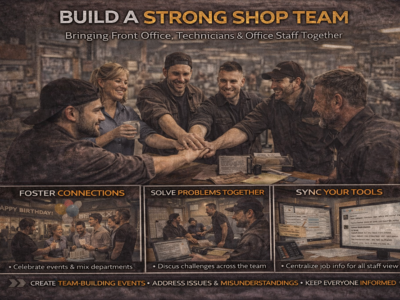
To make the most of this advantage, the team members who interact directly with customers, whether that is a front office coordinator, estimator, or shop manager, play a critical role.
Their tone, communication style, and ability to read the room can significantly influence how your shop is perceived. The key trait for these positions is not a specific personality type, but adaptability to a specific customers communication preferences. Some customers arrive stressed, short on time, and focused purely on cost and timeline. They want direct answers about pricing, insurance coordination, and repair duration, with no nonsense or small talk. Others may be more conversational. They might want to explain how the damage occurred, ask broader questions about vehicle maintenance, or mention symptoms such as a vibration or unusual noise that could help your technicians diagnose additional concerns. No rigid script can serve all types of customers well. Training your team to adjust their communication style based on the customer in front of them can set your shop apart. When customers feel heard and understood, they are more likely to trust your recommendations, return in the future, and speak highly of your shop to friends and family.
However, flexibility also introduces risk.
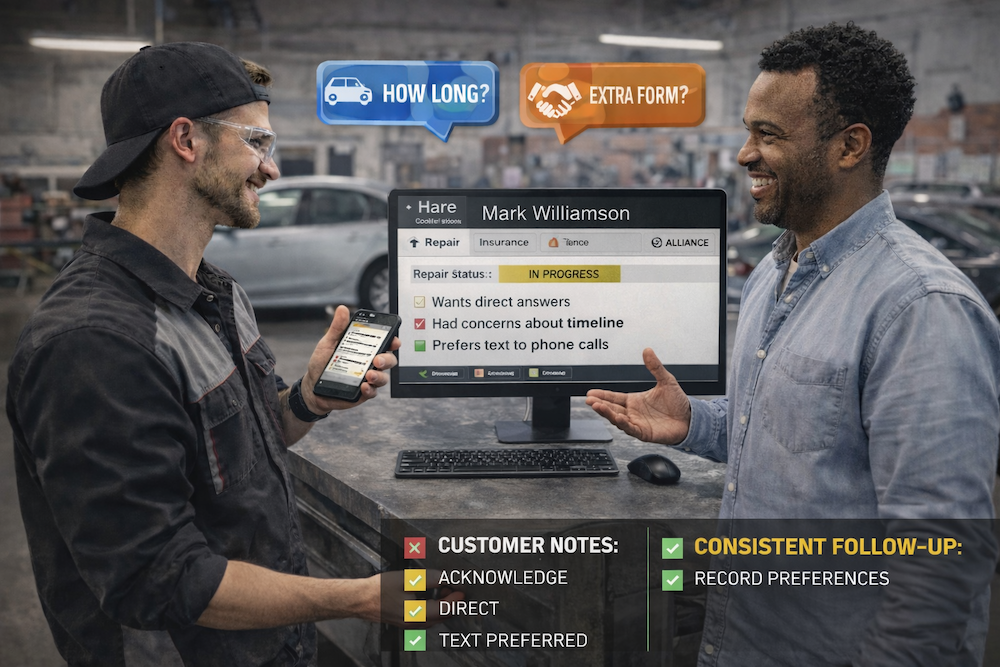
If follow up communication shifts tone dramatically, for example treating a direct, efficiency driven customer with excessive small talk, or providing only direct updates with someone who prefers a detailed explanation, it can create confusion or frustration due to a major shift in tone. Consistency matters, even when your clients communication styles vary. This is where structured customer notes become valuable. Beyond tracking repair details, insurance information, and payment status, your CRM should allow for relevant communication notes. Recording preferences, prior concerns, or important context helps ensure that any team member who interacts with that customer maintains a consistent tone and approach. Modern body shop management software can centralize this information, combining job status updates, images, insurance documentation, contact records, and of course, individual customer notes in one accessible system. When information is organized and visible across the team, miscommunication decreases and service can be much more personalized without becoming chaotic. By pairing adaptable, customer aware communication with structured internal systems, your shop can turn routine repair visits into long term relationships.
In an industry where trust and reputation drive referrals, that personal connection can become one of your strongest competitive advantages