
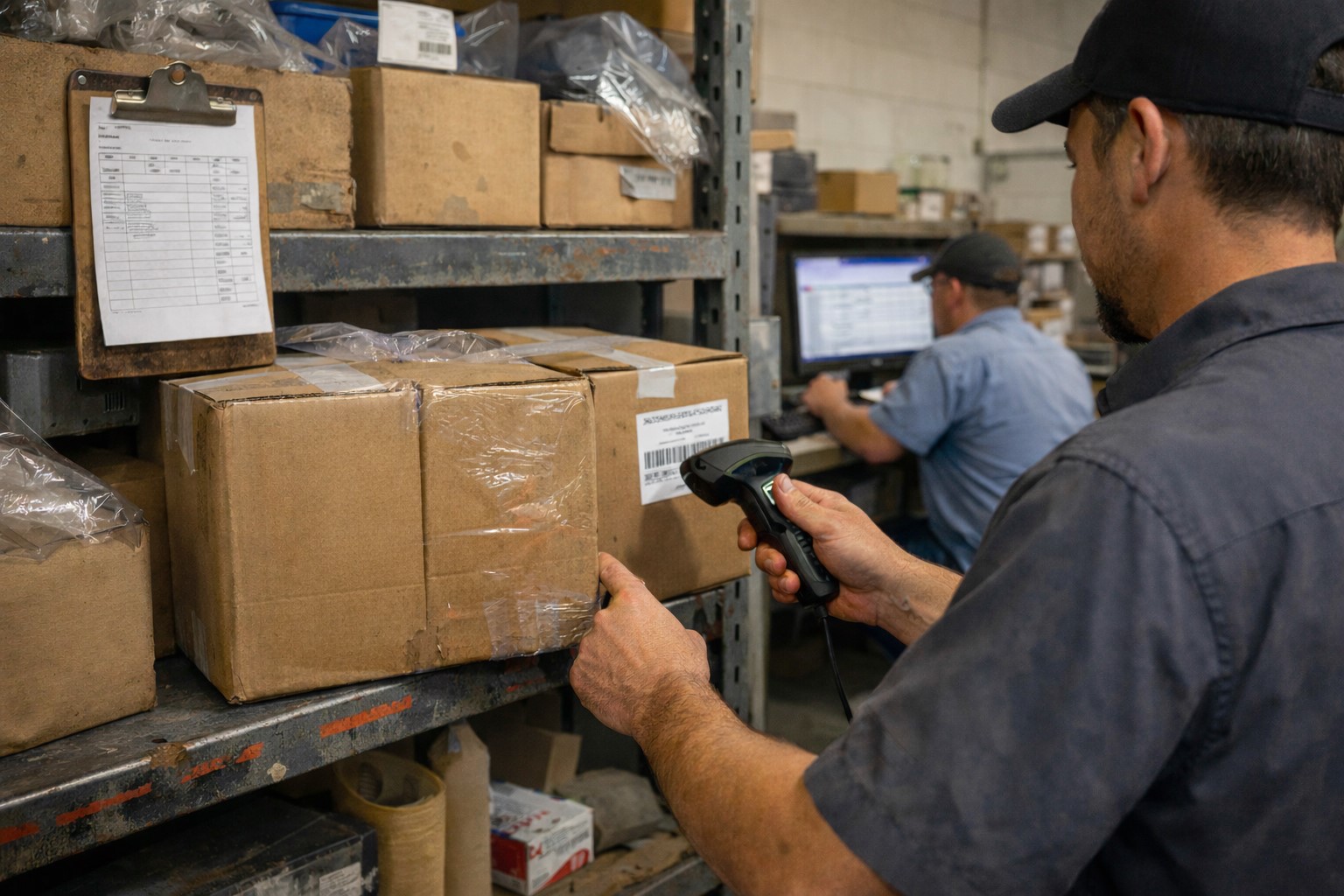
Duplicate part orders are common in high-volume collision repair environments. A supplement approval arrives after an estimator has already reordered. A technician calls the parts desk while the same request sits in the queue. A partial delivery triggers a second order before the first is confirmed. The result is predictable: two identical parts, one installed and one sitting unassigned on a shelf.
The financial impact does not stop at one unused component. What appears to be a simple $180 mistake often converts into margin erosion when the return window closes, and the loss flows into Cost of Goods Sold (COGS). Because it blends into material expense, it rarely appears as a tracked operational error. The loss is absorbed quietly.
Electrical components and parts removed from packaging often carry tighter restrictions. Even when vendors allow 30-day returns with the original invoice, incomplete documentation or delayed action can eliminate that option.
The Visible Cost vs. the Hidden Cost
The visible cost is one unused part.
The hidden cost is workflow breakdown. No return tag is created. No ownership is assigned. The duplicate sits until the deadline passes.
When a duplicate is identified, action should occur the same day or no later than the next business day.
Three controls prevent duplication from turning into a write-off:
- Physically flag the duplicate at receipt. Attach a visible tag with the job number and a note that return authorization is pending.
- Assign ownership of returns. One person processes returns on a fixed cadence, weekly at a minimum. Reactive handling increases missed deadlines.
- Reconcile return credits monthly. Compare open return credits against vendor statements before billing closes to confirm credits are applied.
The Root Cause
Duplicate ordering is typically a communication breakdown, not a purchasing failure. Shops that reduce duplication consistently operate from a single shared parts log accessible to estimators and the parts desk. Separate tracking systems create blind spots. Shared visibility reduces second orders before they occur.
Fast-moving shops may not eliminate duplication entirely. They contain it quickly.