
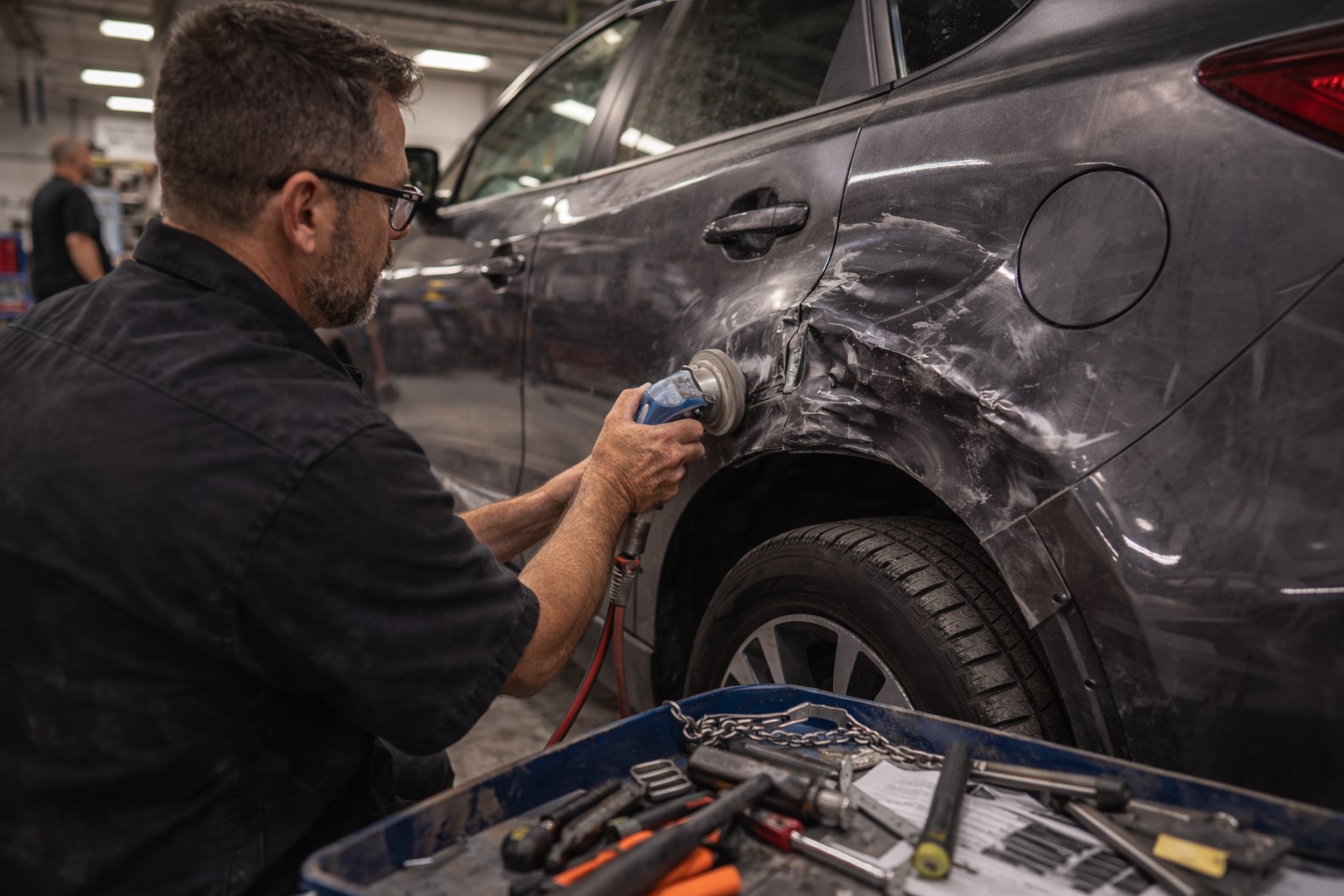
A repair can be done correctly and still become a legal problem years later. A vehicle leaves the collision repair shop with proper fit, clean blends, and no warning lights, then a later collision puts that earlier work under scrutiny. At that point, the question is no longer whether the technicians did quality work. The question is whether the collision repair shop can prove, with a complete record, exactly what was done and why.
That pressure has grown because the repair itself has changed. Modern collision repair now includes electronics, manufacturer-directed structural procedures, and verification steps tied to Advanced Driver Assistance Systems (ADAS). A bumper hit, quarter panel repair, or front-end impact may involve more than visible damage and refinish work. It may also involve scan results, teardown findings, sensor involvement, and calibrations that need to be documented if questions surface later.
A defensible repair file shows the sequence of work from intake through delivery. Pre-repair scan reports establish the vehicle’s condition before repairs begin. Original Equipment Manufacturer (OEM) procedure references show that structural pulls, sectioning, replacement decisions, or weld locations followed the manufacturer’s standard rather than shop habit. Calibration records show that affected ADAS components were returned to specification, and the post-repair scan confirms the vehicle left with no remaining fault codes tied to the completed repair.
The gap is usually not that collision repair shops skip the work. The gap is that records end up incomplete, scattered, or trapped across estimating systems, scan tools, technician phones, and paper files. That becomes more serious when insurer response timing slows approvals, repair plans change during blueprinting and teardown, and supplements reshape the work after the original estimate.
A solid repair file does not require a complicated system. It requires treating documentation as part of the repair order (RO) flow, not as an afterthought when the vehicle is ready to leave. The work already happens inside the collision repair shop every day. The discipline is making sure the record is clear enough to defend the repair later.